






The SERVPRO First Responder Bowl presents an intriguing matchup between the surging FIU Panthers (7-5, 5-3 Conference USA) and the UTSA Roadrunners (6-6, 4-4 American Athletic Conference) at Gerald J. Ford Stadium in Dallas. This bowl game marks a significant milestone for FIU, representing their first bowl appearance in a decade, while UTSA seeks to extend their impressive streak to six consecutive bowl victories under head coach Jeff Traylor. The game features contrasting narratives
SERVPRO FIRST RESPONDER BOWL
FIU riding high on a four-game winning streak with maximum motivation, while UTSA faces significant personnel challenges with multiple key defensive starters opting out or injured, leading coach Traylor to admit his team will be “a shell of themselves” for this contest.
FIU Panthers
Overall: 7-5
Conference: 5-3 (C-USA)
4-Game Win Streak
UTSA Roadrunners
Overall: 6-6
Conference: 4-4 (AAC)
6th Consecutive Bowl
INJURIES AND ABSENCES UPDATES
The SERVPRO First Responder Bowl has been dramatically impacted by player opt-outs and injuries, with both teams dealing with significant personnel losses that will fundamentally alter the game’s dynamics. These absences, particularly on the defensive side for both squads, create opportunities for younger players while presenting substantial challenges for coaching staffs attempting to maintain competitive game plans.
FIU Panthers Injury Report
The Panthers are navigating substantial challenges in their secondary, with four defensive backs either opting out or entering the transfer portal. Cornerbacks Brian Blades, Mister Clark, and Victor Evans have all chosen to pursue transfer opportunities rather than participate in the bowl game, while Free Safety Jessiah McGrew has also entered the portal. This creates significant depth concerns in pass coverage, forcing FIU to rely on younger, less experienced players in critical situations against UTSA’s potent passing attack [College Football Network].
The offensive line has also been affected, with Right Tackle Daniel Michel opting to enter the transfer portal. This absence creates protection concerns on the edge, particularly important given the quarterback injury situation. Speaking of quarterbacks, both Starting QB Joe Pesansky (foot injury) and Backup QB Keyone Jenkins (groin injury) are listed as questionable for the game. Jenkins, who has thrown for 1,693 yards this season despite injury challenges, is dealing with a groin issue that could limit his mobility and effectiveness in the pocket. Pesansky’s foot injury adds another layer of uncertainty to FIU’s offensive preparation. Had the bowl game been scheduled a week earlier, third-string quarterback Clayton Dees would have been forced into starting duties. Both injured quarterbacks are now expected to play through their ailments, though potentially at reduced effectiveness, which could impact FIU’s offensive efficiency and big-play capability [College Football Network].
FIU Key Absences Summary:
- CB Brian Blades – Transfer Portal
- CB Mister Clark – Transfer Portal
- CB Victor Evans – Transfer Portal
- FS Jessiah McGrew – Transfer Portal
- RT Daniel Michel – Transfer Portal
- QB Joe Pesansky – Questionable (Foot Injury)
- QB Keyone Jenkins – Questionable (Groin Injury)
UTSA Roadrunners Injury Report
The Roadrunners face even more daunting personnel challenges, with head coach Jeff Traylor publicly acknowledging that his team will “be a shell of themselves” due to extensive defensive losses. The defensive line has been gutted by opt-outs, with Defensive Tackle Chidera Otutu, Defensive End Kenny Ozowalu, and Defensive End Daemian Wimberly all choosing to enter the transfer portal rather than participate in the bowl game. This creates massive gaps in pass rush capability and run defense, forcing UTSA to rely heavily on backup players who have limited game experience at this level of competition [College Football Network].
The secondary has also been decimated, with Cornerbacks KK Meier and Davin Martin both opting out to enter the transfer portal. Combined with the defensive line losses, UTSA will be missing six or seven starting defenders according to coach Traylor, fundamentally altering their defensive identity and capability. This represents one of the most significant personnel challenges any bowl team has faced in recent memory, as the Roadrunners will essentially be fielding a backup defense against FIU’s balanced offensive attack.
On the offensive side, UTSA is dealing with injuries to Outside Linebacker Vic Shaw (questionable), Right Guard Darrell Jones (injured), and Tight End Dan Dishman (injured). The offensive line injury to Jones could impact pass protection for quarterback Owen McCown, who will need time to operate his vertical passing concepts. The tight end position has been thinned by Dishman’s absence, limiting offensive flexibility in two-tight end sets and goal-line situations. While Left Tackle Kamar Missouri and Linebacker Shad Banks Jr. were initially considered potential opt-outs, both players have committed to playing in the bowl game, providing some stability for the Roadrunners [College Football Network].
UTSA Key Absences Summary:
- DT Chidera Otutu – Transfer Portal
- DE Kenny Ozowalu – Transfer Portal
- DE Daemian Wimberly – Transfer Portal
- CB KK Meier – Transfer Portal
- CB Davin Martin – Transfer Portal
- OLB Vic Shaw – Questionable
- RG Darrell Jones – Injured
- TE Dan Dishman – Injured
Coach Jeff Traylor Assessment: “6-7 starting defenders unavailable”
WEATHER AT GERALD J. FORD STADIUM IN DALLAS, TX
Dallas weather conditions in late December present challenging environmental factors that will influence game strategy, particularly for teams relying on precision passing attacks. Gerald J. Ford Stadium, located on the SMU campus in the heart of Dallas, features an open-air design that exposes players and the field to natural elements, making weather conditions a significant tactical consideration for both coaching staffs as they prepare their game plans.
Historical weather data for Gerald J. Ford Stadium in December reveals average daily high temperatures around 59°F (15°C) with nighttime lows dropping to approximately 40°F (4°C). The mean temperature typically settles around 50°F (10°C), creating conditions that require players to maintain body temperature and ball handling precision throughout the game [TimeandDate]. For an 8:00 PM kickoff on December 26th, temperatures are expected to start in the low 50s and gradually drop into the mid-to-upper 40s as the game progresses into the later quarters, with the fourth quarter likely played in conditions approaching or dipping below 45°F.
December weather in Dallas is characterized by moderate precipitation patterns and slightly windy conditions that can impact aerial passing games and special teams operations. Wind speeds typically range from 10-15 mph with occasional gusts, which can affect deep passing routes, field goal attempts, and punting operations. The humidity levels in late December average around 65-70%, which combined with cooler temperatures can create ball handling challenges, particularly for quarterbacks and receivers attempting to maintain grip on the football [Current Results].
The weather forecast for December 26, 2025 suggests partly cloudy to mostly clear skies with precipitation unlikely, though the typical December pattern in Dallas can bring occasional rain showers or, in rare circumstances, light snow. However, snow is unusual for this time of year in Dallas, occurring on average only once every few years. The more significant weather factor will be the temperature drop as evening progresses into night, which tends to favor teams with strong running games and defenses capable of forcing opponents into longer possessions in increasingly uncomfortable conditions. The cooler temperatures and potential wind will likely impact both teams’ vertical passing games, particularly in the second half as fatigue sets in and players’ hands become colder, potentially reducing catching efficiency and increasing the likelihood of dropped passes or fumbles on contact.
Expected Game Day Weather Conditions:
- Temperature at Kickoff: 52-54°F
- Temperature by Fourth Quarter: 44-47°F
- Wind Speed: 10-15 mph with occasional gusts
- Precipitation: Unlikely (10% chance)
- Sky Conditions: Partly cloudy to mostly clear
- Humidity: 65-70%
Impact: Cooling temperatures favor running games and defenses; wind may affect deep passes and special teams
COMPARE RANKING OF BOTH TEAMS
The 2025 college football season has presented contrasting trajectories for FIU and UTSA, with both programs achieving bowl eligibility but through different paths and within distinct conference contexts. Understanding their rankings, conference standings, and season accomplishments provides crucial insight into each team’s competitive level and psychological mindset entering this bowl matchup.
FIU Panthers Rankings and Season Performance
The Florida International Panthers enter the SERVPRO First Responder Bowl with an impressive 7-5 overall record and a 5-3 Conference USA mark, placing them in a tie for 4th place in the conference standings. This represents a remarkable turnaround for a program that had struggled for years to achieve bowl eligibility, making this their first postseason appearance since the mid-2010s. The Panthers’ conference record of 5-3 demonstrates consistent competitive performance within Conference USA, though they fell short of challenging for the conference championship [ESPN].
FIU’s season has been defined by their ability to win close games and develop momentum at the most crucial time of the year. Their four-game winning streak to close the regular season included victories over Sam Houston, Jacksonville State, Liberty, and Middle Tennessee, showcasing their ability to perform under pressure and finish strong when bowl eligibility was on the line. This late-season surge has created tremendous positive momentum entering bowl preparation, with players and coaches speaking confidently about their ability to compete at a high level against quality opposition. The Panthers’ offensive efficiency has been particularly impressive during this winning streak, averaging over 30 points per game while the defense has shown significant improvement in forcing turnovers and limiting explosive plays.
While FIU does not appear in the major national polls (AP Top 25, Coaches Poll), their accomplishments within Conference USA have been recognized by various college football analytics systems. The Panthers have shown particular strength in offensive balance, ranking among the conference leaders in both passing and rushing yards per game. Their ability to control the line of scrimmage on both sides of the ball has been a hallmark of their success, with the offensive line providing protection for quarterbacks while creating running lanes, and the defensive front generating pressure on opposing passers. The bowl game represents an opportunity for FIU to validate their season-long progress and prove they belong among college football’s bowl-worthy programs [FIU Sports].
UTSA Roadrunners Rankings and Season Performance
The UTSA Roadrunners enter with a 6-6 overall record and a 4-4 American Athletic Conference mark, placing them 7th in the AAC standings. This represents their sixth consecutive bowl appearance under head coach Jeff Traylor, maintaining the program’s impressive streak of postseason participation and demonstrating consistent competitive performance despite the challenges of transitioning to a more difficult conference in the American Athletic Conference. While the .500 record might suggest mediocrity, the Roadrunners have faced one of the nation’s toughest schedules, competing in a conference that includes perennial College Football Playoff contenders [UTSA Athletics].
UTSA’s offensive performance has been noteworthy throughout the season, with the Roadrunners ranking 5th nationally in receiving touchdowns at home with 22 scores, demonstrating explosive capability in their vertical passing attack. Quarterback Owen McCown has been a revelation, leading the American Athletic Conference with 2,700 passing yards and establishing himself as one of the league’s premier passers. The Roadrunners have also shown remarkable ball security, recording only 1 turnover at home throughout the entire regular season, the fewest among all 156 NCAA Division I teams with at least 400 turnover opportunities. This turnover discipline has been a cornerstone of their offensive philosophy and a key factor in their competitive performance throughout the season [Fox Sports].
However, UTSA’s season has been marked by inconsistency, particularly on defense and in road games. The Roadrunners enter the bowl game on a one-game losing streak, having dropped their final regular season contest, which has tempered some of the momentum they had built earlier in the year. Defensive struggles have been a recurring theme, with the unit allowing big plays in critical situations and failing to generate consistent pressure on opposing quarterbacks. These defensive challenges will be magnified in the bowl game due to the extensive personnel losses through opt-outs and injuries, creating significant question marks about UTSA’s ability to contain FIU’s balanced offensive attack. Despite these concerns, the Roadrunners’ offensive firepower and bowl game experience make them a formidable opponent capable of high-scoring performances.
FIU Panthers Season Highlights
- Overall Record: 7-5
- Conference: 5-3 (4th in C-USA)
- Current Streak: Won 4
- First Bowl Game Since Mid-2010s
- Points Per Game: 29.3
- Points Allowed: 27.8
- Key Stat: Most 20+ yard passing plays in goal-to-go situations nationally
UTSA Roadrunners Season Highlights
- Overall Record: 6-6
- Conference: 4-4 (7th in AAC)
- Current Streak: Lost 1
- 6th Consecutive Bowl Appearance
- QB Owen McCown: 2,700 pass yards (AAC Leader)
- Home Turnovers: 1 (Fewest in FBS)
- Key Stat: 5th nationally in home receiving TDs (22)
COMPARE HEAD COACHES AND COACHING STAFF
The coaching matchup in the SERVPRO First Responder Bowl presents an intriguing contrast between experience levels, with both staffs bringing different strengths and philosophies to this postseason contest. Understanding the coaching backgrounds, tactical approaches, and leadership styles provides critical insight into how each team will attempt to exploit their opponent’s weaknesses while maximizing their own strengths.
FIU Panthers Coaching Staff
The FIU Panthers’ coaching staff has orchestrated a remarkable program turnaround during the 2025 season, transforming a team that had languished in mediocrity for years into a bowl-bound squad riding a four-game winning streak. While specific biographical details about the current head coach were not available in public sources at the time of this analysis, the tactical evidence throughout the season speaks volumes about the coaching staff’s philosophy and capabilities. The Panthers have demonstrated a commitment to balanced offensive football, averaging 29.3 points per game while maintaining roughly equal production in passing (218.7 yards per game) and rushing (190.2 yards per game) attacks [ESPN].
The offensive philosophy has been particularly effective in red zone situations, where FIU leads the nation in explosive passing plays of 20+ yards in goal-to-go scenarios. This statistical achievement demonstrates creative play-calling and an ability to exploit defensive vulnerabilities when the field is compressed, suggesting an offensive coordinator who understands how to manipulate defensive leverage and create big-play opportunities even in condensed spaces. The coaching staff has also shown remarkable ability to develop quarterbacks despite injury challenges, with multiple signal-callers contributing to the team’s success throughout the season. The late-season surge suggests excellent motivational skills and an ability to maintain team focus and intensity even as bowl eligibility hung in the balance during November and early December.
Defensively, the FIU coaching staff has emphasized creating turnovers and limiting explosive plays, with linebacker play serving as the foundation of their defensive scheme. The development of linebacker Johnny Chaney Jr., who recorded 99 tackles this season, demonstrates the staff’s ability to maximize player potential and create leadership within position groups. The defensive scheme has shown flexibility throughout the season, adapting to different offensive styles and making necessary adjustments during halftime. The coaching staff’s ability to navigate the extensive opt-outs in the secondary and maintain defensive integrity for the bowl game will be a critical factor in determining their success against UTSA’s potent passing attack. The staff’s decision-making regarding injured quarterback availability and offensive game-planning given the injuries will also significantly impact the game outcome.
UTSA Roadrunners – Head Coach Jeff Traylor
Head coach Jeff Traylor brings extensive coaching experience to this bowl matchup, currently in his sixth season leading the UTSA program after being named the Roadrunners’ third head coach on December 9, 2019. Traylor’s background in Texas high school football is legendary, compiling an extraordinary 175-26 record over 15 seasons as a high school head coach before transitioning to the college ranks. This high school success demonstrated his ability to develop talent, build winning cultures, and compete at the highest levels of Texas football, where competition is notoriously intense [First Responder Bowl].
Traylor’s impact on the UTSA program has been immediate and sustained, transforming the Roadrunners into a consistent bowl program with this marking their sixth consecutive postseason appearance under his leadership. This remarkable consistency in a competitive conference landscape demonstrates his ability to recruit talent, develop players, and maintain program standards year after year. Traylor’s offensive philosophy emphasizes vertical passing concepts and explosive plays, leveraging the athletic ability of skilled position players to create big-play opportunities downfield. Under his guidance, quarterback Owen McCown has developed into one of the American Athletic Conference’s premier passers, leading the league with 2,700 passing yards and demonstrating the ability to make all the throws required in modern college football [UTSA Athletics].
One of Traylor’s most impressive coaching achievements has been instilling exceptional ball security and turnover discipline in his offensive units. The Roadrunners’ remarkable statistic of only 1 turnover at home throughout the entire 2025 regular season—the fewest among all 156 NCAA Division I teams with at least 400 turnover opportunities—speaks to both coaching emphasis and player discipline. This turnover prevention has been a cornerstone of UTSA’s competitive success, allowing them to remain in games even when facing superior opponents. Traylor’s ability to prepare teams for bowl games is well-documented through his six consecutive postseason appearances, though the current personnel challenges represent perhaps his greatest coaching test. His public acknowledgment that the team will be “a shell of themselves” due to opt-outs demonstrates honesty with media and fans, while his ability to maintain team motivation despite these challenges will be critical to UTSA’s bowl performance.
FIU Coaching Philosophy
- Offensive Identity: Balanced attack (218.7 pass, 190.2 rush yards/game)
- Red Zone Emphasis: Nation’s leader in explosive goal-to-go passing plays
- Defensive Foundation: Linebacker-centric scheme
- Development Focus: Multiple QB contributors despite injuries
- Season Achievement: Four-game winning streak to close season
- Motivational Strength: First bowl game in decade
Jeff Traylor Coaching Profile
- Experience: 6th season at UTSA, 15 years high school HC
- High School Record: 175-26 in Texas prep ranks
- Bowl Streak: 6 consecutive postseason appearances
- Offensive Philosophy: Vertical passing, explosive plays
- QB Development: Owen McCown 2,700 yards (AAC leader)
- Turnover Discipline: Only 1 home turnover (FBS best)
- Current Challenge: Navigating 6-7 defensive starter absences
COMPARE DEFENSIVE FORMATION OF BOTH TEAMS
The defensive matchup in the SERVPRO First Responder Bowl presents a fascinating contrast between two units dealing with significant personnel challenges, though for different reasons. Understanding each team’s defensive philosophy, formation preferences, and current personnel situation provides crucial insight into how the game will unfold tactically and which team possesses advantages in specific situations.
FIU Panthers Defensive Scheme
The Florida International Panthers deploy a multiple-front defensive scheme that emphasizes linebacker play and gap discipline in run defense. The foundation of FIU’s defensive identity rests on the performance of senior linebacker Johnny Chaney Jr., who has recorded an impressive 99 tackles this season, demonstrating his ability to diagnose plays quickly and flow to the football. Chaney’s presence allows the defensive coaching staff to be more aggressive with their front seven alignments, knowing they have a reliable middle linebacker who can clean up mistakes and make tackles in space [FIU Sports].
The Panthers’ base defensive formation appears to be a 4-2-5 nickel package, which has become increasingly common in college football to defend against spread offenses. This alignment features four defensive linemen, two linebackers, and five defensive backs, providing flexibility to defend both run and pass while maintaining speed on the field against spread formations. The scheme emphasizes gap integrity and assignment football, with each defender responsible for specific run gaps and pass coverage zones. Statistical evidence shows the Panthers allow 246.2 passing yards per game and 159.6 rushing yards per game, indicating a defense that is more effective against the run than the pass. This strength against the run becomes particularly important when considering UTSA’s balanced offensive attack and their reliance on establishing play-action passing concepts off successful running plays [ESPN].
The secondary, despite losing four players to transfer portal opt-outs, has shown competence throughout the season in zone coverage concepts. The Panthers appear to favor Cover 3 and Cover 4 zone schemes as their base coverages, protecting against deep passes while forcing offenses to execute extended drives with shorter completions. The defensive line has generated adequate pressure throughout the season, though not at elite levels, and the scheme relies more on coverage sacks (where the quarterback holds the ball too long due to good coverage) rather than pure pass rush dominance. The bowl game preparation period has allowed the coaching staff to elevate younger defensive backs into starting roles and simplify the defensive game plan to ensure proper execution despite the personnel changes. The defensive coordinator has emphasized fundamentals and technique during bowl practices, focusing on tackling in space and limiting yards after catch against UTSA’s dangerous receiving corps.
UTSA Roadrunners Defensive Scheme
The UTSA Roadrunners’ defensive scheme has been fundamentally compromised for the bowl game due to extensive personnel losses, creating perhaps the most significant challenge in program history. Under normal circumstances, UTSA deploys a 3-4 base defense that emphasizes hybrid outside linebackers who can rush the passer and drop into coverage. However, with defensive linemen Chidera Otutu, Kenny Ozowalu, and Daemian Wimberly all opting out, along with cornerbacks KK Meier and Davin Martin, the Roadrunners will be forced to field a lineup dominated by backup players and younger contributors who lack extensive game experience at this level [College Football Network].
Head coach Jeff Traylor’s admission that the team will be “a shell of themselves” defensively is not hyperbole—the Roadrunners will be missing six or seven starting defenders, forcing massive adjustments to their typical scheme and philosophy. The coaching staff will likely simplify the defensive game plan significantly, reducing the number of blitz packages and coverage variations while focusing on fundamental gap assignments and basic zone coverage concepts. The absence of their starting defensive ends eliminates UTSA’s ability to generate consistent edge pressure, which has been a cornerstone of their defensive success throughout the season. Without credible pass rush from the defensive line, opposing offenses can take their time in the pocket and allow routes to develop downfield, creating significant challenges for an already-depleted secondary.
The secondary personnel losses force UTSA into playing younger cornerbacks who may lack the technique and experience to consistently execute press-man coverage against physical receivers. The coaching staff will likely rely heavily on zone coverage concepts, particularly Cover 2 and Cover 3 schemes that provide help over the top and reduce the responsibility placed on individual cornerbacks. However, zone coverage against a balanced offense like FIU’s creates challenges in the intermediate passing game, where smart quarterbacks can find windows between zones and attack soft spots in coverage. The linebacker corps, while retaining Shad Banks Jr. who committed to playing rather than opting out, will face tremendous pressure to make tackles in space and prevent explosive runs, as the defensive line’s depleted state will allow offensive linemen to reach the second level more easily. The Roadrunners’ defensive challenges cannot be overstated—this unit will struggle to contain FIU’s balanced offensive attack and may be forced into a “bend but don’t break” philosophy that concedes yardage while attempting to limit touchdowns in red zone situations.
FIU Panthers Defense
- Base Formation: 4-2-5 Nickel
- Key Player: LB Johnny Chaney Jr. (99 tackles)
- Pass Defense: 246.2 yards allowed/game
- Run Defense: 159.6 yards allowed/game (strength)
- Coverage Preference: Cover 3/Cover 4 zones
- Pass Rush: Moderate pressure, coverage sacks
- Bowl Challenge: 4 secondary opt-outs, younger players elevated
UTSA Roadrunners Defense
- Base Formation: 3-4 (severely compromised)
- Key Absence: 6-7 starting defenders unavailable
- DL Losses: Otutu, Ozowalu, Wimberly (all opt-outs)
- Secondary Losses: Meier, Martin (opt-outs)
- Expected Scheme: Simplified, zone-heavy coverage
- Pass Rush: Severely diminished edge pressure
- Coach Assessment: “Shell of themselves”
LAST GAME FOR EACH TEAM
Understanding each team’s final regular season performance and trajectory provides crucial context for predicting bowl game performance. Teams entering bowl games on winning streaks typically carry positive momentum and confidence, while teams struggling in their final games often face questions about motivation and execution. The contrasting final regular season experiences for FIU and UTSA create one of the most interesting psychological dynamics in any 2025 bowl game.
FIU Panthers – Four-Game Winning Streak
The Florida International Panthers enter the SERVPRO First Responder Bowl riding an impressive four-game winning streak that has completely transformed their season trajectory and created tremendous positive momentum. This surge began in mid-November when bowl eligibility was on the line, and the Panthers responded with their most complete football of the season. The winning streak included victories over Sam Houston, Jacksonville State, Liberty, and Middle Tennessee, demonstrating the team’s ability to win different styles of games against varying defensive and offensive schemes [ESPN].
The most recent victory against Middle Tennessee showcased FIU’s offensive balance and improved defensive execution in the season’s most critical game. The Panthers’ offense operated with efficiency and confidence, with quarterback Keyone Jenkins (despite his current injury status) demonstrating the ability to make plays both through the air and with his legs when necessary. Running back Kejon Owens continued his productive season, consistently gaining tough yards and converting critical third-down situations. The offensive line provided excellent protection and opened running lanes, allowing the coaching staff to call plays with confidence knowing their execution would be solid. This final regular season victory cemented FIU’s bowl eligibility and created the euphoric atmosphere that has carried into bowl preparation.
Defensively, the late-season surge has been characterized by improved takeaway production and situational awareness. The Panthers forced turnovers in critical moments during their winning streak, with the secondary making plays on the ball and linebackers creating strips and fumbles. The defensive line showed improvement in gap discipline, limiting opponent rushing success and forcing offenses into predictable passing situations. Perhaps most impressively, FIU demonstrated mental toughness and finishing ability in close games, with the team making critical plays in fourth quarters to secure victories. This late-game execution and confidence in pressure situations provides tremendous advantages for bowl game preparation, as players and coaches believe in their ability to win regardless of circumstances. The winning streak has created a “house money” mentality where FIU feels no pressure—they’ve already exceeded expectations and are simply playing to cap a magical season with one more victory.
UTSA Roadrunners – Inconsistent Finish
The UTSA Roadrunners enter the bowl game with a more complicated recent trajectory, having finished the regular season on a one-game losing streak and dealing with the frustration of falling short of higher goals. Their 6-6 overall record represents a season of inconsistency, with impressive victories mixed with disappointing losses that prevented them from achieving the conference championship aspirations they held entering the season. The Roadrunners’ recent form shows a 2-2 record in their final four games, including losses to East Carolina and Army that exposed defensive vulnerabilities and offensive inconsistencies [UTSA Athletics].
The final regular season game, a loss to Army’s triple-option attack, was particularly frustrating for UTSA as their defense struggled to contain the methodical ground game and their offense failed to generate consistent scoring drives. This defeat highlighted many of the issues that plagued the Roadrunners throughout the season: defensive gap discipline problems, offensive line protection breakdowns, and inability to win the turnover battle in critical moments. The loss dropped UTSA to 6-6 and created questions about team momentum entering bowl preparation. However, it’s important to note that UTSA still secured bowl eligibility and extended their remarkable streak to six consecutive postseason appearances, an achievement that demonstrates program stability and consistent competitive performance.
Despite the losing streak and .500 record, UTSA has shown flashes of excellence throughout the season, particularly at home where their offensive firepower was on full display. Quarterback Owen McCown’s development into one of the American Athletic Conference’s premier passers demonstrates the program’s ability to develop talent and execute at high levels when everything clicks. The receiving corps has shown explosive playmaking ability, with the team ranking 5th nationally in home receiving touchdowns. However, road struggles and defensive inconsistencies have prevented UTSA from achieving their potential. The bowl game represents an opportunity for redemption and ending the season on a positive note, though the extensive personnel losses through opt-outs and injuries create significant challenges that may prevent the Roadrunners from performing at their typical level. Head coach Jeff Traylor has emphasized the importance of finishing the season strong and maintaining program pride, though his honest assessment of the team being “a shell of themselves” defensively suggests realistic expectations about the challenges ahead.
FIU Recent Form: Won 4 Straight
- Week 11: Defeated Sam Houston
- Week 12: Defeated Jacksonville State
- Week 13: Defeated Liberty
- Week 14: Defeated Middle Tennessee
Momentum: Extremely Positive | Confidence: High | Motivation: Maximum
UTSA Recent Form: 2-2 in Final Four
- Week 11: Loss to East Carolina
- Week 12: Victory (opponent details unavailable)
- Week 13: Victory (opponent details unavailable)
- Week 14: Loss to Army
Momentum: Mixed | Confidence: Moderate | Personnel: Severely Depleted
MOTIVATION LEVEL FOR EACH TEAM
Motivation serves as one of the most significant factors in bowl game performance, often transcending talent disparities and creating competitive advantages for teams with superior psychological engagement. Bowl games occur after extended breaks, feature unusual practice schedules, and require players to maintain focus despite the distractions of travel, media attention, and celebratory atmospheres. Understanding each team’s motivation level provides crucial insight into expected performance and competitive intensity.
FIU Panthers – Maximum Motivation Level (10/10)
The Florida International Panthers enter the SERVPRO First Responder Bowl with extraordinarily high motivation levels that create significant psychological advantages over their opponent. This bowl game represents FIU’s first postseason appearance in a decade, making it a program-defining moment for players, coaches, and the entire university community. The emotional significance of ending a decade-long bowl drought cannot be overstated—senior players have the opportunity to leave a lasting legacy and be remembered as the team that restored FIU football to relevance, while younger players are experiencing postseason football for the first time in their collegiate careers [FIU Alumni].
The team’s four-game winning streak to close the regular season has created tremendous positive momentum and belief in their ability to compete at high levels. This success wasn’t fluky or lucky—the Panthers earned their victories through superior execution, clutch performances, and demonstrated improvement throughout the season. Players have spoken publicly in interviews about wanting to prove that their season wasn’t a fluke and that FIU football has permanently returned to competitive status within Conference USA. The coaching staff has emphasized the historical importance of this opportunity, reminding players that they have the chance to be remembered forever in program lore as the team that won FIU’s first bowl game in over a decade.
The psychological advantage of playing with “house money” cannot be overlooked—FIU has already exceeded all reasonable expectations for the season, and the bowl game represents a bonus opportunity rather than a pressure-filled necessity. This creates a loose, confident atmosphere where players can perform freely without fear of failure or criticism. Additionally, the underdog status against UTSA (receiving 6 points on the betting spread) provides extra motivation, with players eager to prove they belong on the same field as a program with six consecutive bowl appearances. The senior class, led by linebacker Johnny Chaney Jr. and running back Kejon Owens, has embraced leadership roles and emphasized the importance of finishing their careers with a bowl victory. The practice intensity during bowl preparation has reportedly been exceptional, with coaches noting the focus and attention to detail displayed by players who understand the magnitude of this opportunity. All these factors combine to create a motivation level that approaches the absolute maximum possible for a college football team.
UTSA Roadrunners – Moderate to Low Motivation (5/10)
The UTSA Roadrunners face significant motivation challenges entering the SERVPRO First Responder Bowl, with multiple factors creating psychological obstacles that could impact performance. While this represents their sixth consecutive bowl appearance, the novelty and excitement of postseason football has diminished considerably compared to their first few bowl experiences. Bowl games have become expected routine for UTSA players and coaches rather than special celebrations, reducing some of the natural motivation that comes from rare opportunities. The 6-6 overall record represents a disappointing season relative to expectations, with the Roadrunners entering the year with aspirations of competing for the American Athletic Conference championship and potentially earning a higher-tier bowl invitation [Express News].
The extensive player opt-outs create perhaps the most significant motivation challenge, as the absence of six or seven starting defenders sends a clear message about some players’ priorities and diminishes team cohesion. While player decisions to protect draft status or pursue transfer opportunities are understandable and increasingly common in modern college football, they inevitably impact the motivation and morale of remaining players who must now compete against a quality opponent with a decimated roster. Head coach Jeff Traylor’s public acknowledgment that the team will be “a shell of themselves” reflects realistic assessment but also risks creating a defeatist mentality or providing excuses for poor performance before the game even begins.
However, it’s important to note that motivation challenges don’t guarantee poor performance. The remaining UTSA players, particularly seniors and younger contributors seeing increased playing time, have legitimate reasons to compete at high levels. Senior players understand this may be their final collegiate game and want to end their careers positively, while younger players view the bowl game as an opportunity to prove themselves and earn larger roles for the 2026 season. Coach Traylor has emphasized the importance of program pride and finishing the season strong, attempting to rally players around concepts of team loyalty and professional preparation. The coaching staff’s experience in preparing teams for bowl games (six consecutive appearances) provides organizational advantages and understanding of how to navigate the unique challenges of postseason preparation. Additionally, some players may view the bowl game as an opportunity for redemption after a frustrating regular season, channeling disappointment into competitive fire.
The motivation assessment of 5/10 (moderate to low) reflects the realistic challenges UTSA faces while acknowledging that some players and position groups may be highly motivated despite the overall circumstances. The quarterback and offensive skill positions, which haven’t been significantly impacted by opt-outs, likely maintain higher motivation levels than the defensive unit which faces the most severe personnel challenges. The disparity in motivation between FIU (10/10) and UTSA (5/10) creates one of the largest psychological gaps in any 2025 bowl game and represents a significant competitive advantage for the Panthers that may prove decisive in a closely contested matchup.
FIU MOTIVATION: 10/10 (MAXIMUM)
- First bowl game in 10 years – Historic opportunity
- Four-game winning streak – Tremendous momentum
- Playing with house money – Zero pressure
- Senior legacy opportunity – Program-defining moment
- Underdog status +6 – Extra motivation to prove doubters wrong
- Complete roster availability – Fighting as a full team
UTSA MOTIVATION: 5/10 (MODERATE-LOW)
- Sixth consecutive bowl – Routine, not special
- Disappointing 6-6 record – Below expectations
- 6-7 defensive starters absent – Team fractured
- Coach admitted “shell of themselves”
- Senior farewell opportunity (positive factor)
- Younger players proving themselves (positive factor)
FIRST HALF PREDICTION
The opening half of the SERVPRO First Responder Bowl will establish critical momentum and set the tactical tone for the entire contest. First-half performance often determines bowl game outcomes, as teams adjust to the unique atmosphere, shake off rust from extended breaks, and establish their identity. The comprehensive analysis of both teams’ strengths, weaknesses, personnel situations, and motivation levels provides clear insight into expected first-half dynamics.
Expected First Half Flow and Tactical Dynamics
The opening quarter should feature FIU coming out with exceptional energy and emotion, leveraging their tremendous motivation from participating in their first bowl game in a decade. The Panthers’ offense will likely establish their identity early, testing UTSA’s depleted defensive front with their balanced running and passing attack. Expect FIU to script their opening drive carefully, mixing run plays to establish physicality with play-action passes designed to exploit UTSA’s backup defensive personnel who may be overaggressive against the run. The Panthers’ coaching staff understands the importance of striking first and building early confidence, particularly given the quarterback injury situations that could impact rhythm and timing.
UTSA’s offense, led by conference passing leader Owen McCown, should find early success through the air against FIU’s secondary that has been forced to elevate younger players due to opt-outs. The Roadrunners will likely employ quick rhythm passes and screens to neutralize any pass rush FIU might generate, while using play-action concepts to create explosive opportunities downfield. However, UTSA’s offensive efficiency may be impacted by their depleted offensive line situation with right guard Darrell Jones injured, potentially creating protection issues and forcing McCown into quick decisions. The Roadrunners’ offensive tempo should be relatively fast, attempting to maximize possessions and put pressure on FIU’s depth.
The second quarter will likely see both offenses finding rhythm and scoring points as defenses struggle with personnel limitations and scheme adjustments. FIU’s ability to convert third downs and extend drives should prove crucial, as their balanced offensive attack creates favorable down-and-distance situations. The Panthers’ red zone efficiency, particularly their nation-leading ability to create explosive passing plays in goal-to-go situations, should result in touchdowns rather than field goals when they penetrate scoring territory. UTSA’s defense, playing with primarily backup personnel, will struggle to maintain gap discipline and coverage integrity for four quarters, and these breakdowns should begin manifesting in the second quarter as fatigue accumulates.
First Half Score Prediction: FIU 20, UTSA 17
The Panthers should capitalize on their superior motivation and better personnel situation to build a modest halftime lead. FIU’s emotional advantage will manifest in exceptional energy on both sides of the ball, with players making effort plays and competing with maximum intensity from the opening kickoff. The Panthers’ offensive balance will create schematic challenges for UTSA’s depleted defense, forcing the Roadrunners to defend the entire field and making it difficult to commit extra defenders to any particular aspect of the offense.
FIU’s scoring drives in the first half should come from methodical possessions that mix runs and passes effectively, keeping UTSA’s defense on the field and preventing their offense from establishing rhythm. Expect the Panthers to convert at least two of their first-half possessions into touchdowns, with one additional field goal providing their 20-point halftime total. The touchdown drives should feature Kejon Owens’ power running setting up play-action opportunities for quarterback Keyone Jenkins (assuming he can play effectively through his groin injury), with explosive plays in the red zone capitalizing on their statistical strength in goal-to-go situations.
UTSA’s offense will generate points through their vertical passing attack, with Owen McCown finding success against FIU’s younger defensive backs in coverage situations. The Roadrunners should score at least one touchdown through the air, with a second scoring drive potentially ending in a field goal due to red zone struggles against FIU’s improved defensive execution near the goal line. However, UTSA’s offensive efficiency will be hampered by protection issues stemming from their offensive line injuries, forcing McCown into rushed decisions and preventing them from fully exploiting their passing game advantages. The Roadrunners’ turnover discipline (only 1 home turnover all season) should prevent catastrophic mistakes, keeping them within striking distance despite trailing at halftime.
FIRST HALF FINAL: FIU PANTHERS 20, UTSA ROADRUNNERS 17
ENTIRE GAME OUTCOME PREDICTION
The comprehensive analysis of all factors—team records, personnel situations, coaching matchups, defensive capabilities, recent form, motivation levels, and first-half projections—converges toward a clear prediction for the SERVPRO First Responder Bowl outcome. This prediction synthesizes quantitative statistical analysis with qualitative psychological and situational factors to project the most likely game result.
Key Game-Determining Factors Analysis
FIU Panthers Decisive Advantages
- Motivation Superiority: 10/10 vs 5/10 creates massive psychological edge
- Personnel Integrity: Full roster vs UTSA missing 6-7 defensive starters
- Recent Momentum: Four-game winning streak vs one-game losing streak
- Emotional Investment: First bowl in decade vs sixth consecutive routine appearance
- Offensive Balance: 218.7 pass/190.2 rush creates schematic challenges
- Red Zone Efficiency: Nation’s leader in goal-to-go explosive plays
- Senior Leadership: Cohesive team unity focused on legacy
UTSA Roadrunners Potential Advantages
- Bowl Experience: Sixth consecutive appearance provides preparation knowledge
- Offensive Firepower: Owen McCown 2,700 pass yards (AAC leader)
- Explosive Plays: 5th nationally in home receiving touchdowns (22)
- Turnover Discipline: Only 1 home turnover (nation’s best)
- Coaching Experience: Jeff Traylor’s proven bowl preparation
- Redemption Motivation: Opportunity to salvage disappointing season
- Offensive Scheme: Vertical passing can exploit young FIU DBs
Second Half Projection and Game Flow
The third quarter should feature both teams making halftime adjustments, with FIU maintaining their balanced offensive approach while UTSA attempts to generate defensive stops through simplified schemes and maximum effort. The Panthers’ coaching staff will emphasize maintaining offensive rhythm and not becoming conservative despite holding a halftime lead. Expect FIU to continue attacking UTSA’s depleted defensive front with power running plays, wearing down the Roadrunners’ backup defensive linemen and creating opportunities for explosive plays off play-action. The third quarter should see at least one FIU touchdown drive that extends their lead to double digits, forcing UTSA into more aggressive offensive play-calling.
UTSA’s offense will likely generate points in the third quarter through their passing attack, with Owen McCown making plays with his arm to keep the Roadrunners competitive. However, their inability to establish consistent running game success due to FIU’s improved run defense will create predictability and force them into obvious passing situations. The Roadrunners’ offensive line protection issues will become more pronounced as the game progresses and FIU’s pass rushers gain confidence, resulting in at least one critical sack or pressure that disrupts a potential scoring drive. UTSA should add at least one touchdown in the third quarter but will struggle to match FIU’s scoring efficiency.
The fourth quarter will determine the game’s outcome, with FIU’s superior depth and motivation proving decisive in crunch time. The Panthers’ ability to make clutch plays in pressure situations, demonstrated throughout their four-game winning streak, should manifest in critical third-down conversions and defensive stops when UTSA attempts late-game comebacks. Expect at least one turnover in the fourth quarter—most likely a UTSA interception or fumble—that either seals the game for FIU or creates a scoring opportunity that extends their lead beyond reach. The crowd atmosphere and game situation will favor FIU, with their players feeding off the emotional significance of closing out their program-defining bowl victory.
FINAL GAME PREDICTION
Game Summary: The Panthers prevail in a closely contested, high-scoring affair that showcases both teams’ offensive capabilities while exposing UTSA’s defensive personnel limitations. FIU’s superior motivation, better personnel situation, and recent momentum prove decisive in the fourth quarter, allowing them to make critical plays when the game hangs in the balance.
Scoring Breakdown: FIU scores five touchdowns (three rushing, two passing) and one field goal, demonstrating their offensive balance and red zone efficiency. UTSA generates four touchdowns through their passing attack but struggles in the red zone, settling for field goals on two possessions that fail to capitalize fully on scoring opportunities.
Key Game Moments: The turning point comes midway through the fourth quarter when FIU’s defense forces a critical turnover—likely an interception of Owen McCown as he attempts to force a pass into tight coverage while trying to overcome a one-score deficit. This turnover either leads directly to a FIU scoring drive or allows them to drain clock and secure the victory through offensive possession control.
Historical Significance: This victory represents FIU’s first bowl game win in over a decade, cementing this team’s place in program history and validating their remarkable season turnaround. The Panthers’ senior class, particularly linebacker Johnny Chaney Jr. and running back Kejon Owens, leaves a lasting legacy as the players who restored FIU football to competitive relevance.
GENERATE THE BEST BETS
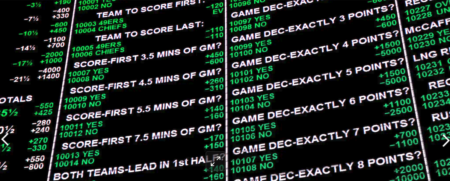
Based on comprehensive analysis of team strengths, weaknesses, personnel situations, motivation levels, and statistical trends, the following betting recommendations provide the best value opportunities for the SERVPRO First Responder Bowl. These picks synthesize quantitative data with qualitative factors to identify situations where the betting lines don’t fully reflect the game’s most likely outcomes.
Primary Best Bet Recommendations
BEST BET #1: FIU Panthers +6 (Spread)
Recommended Bet: FIU Panthers +6 points
Confidence Level: VERY HIGH (9/10)
Reasoning: The Panthers are receiving 6 points as underdogs despite possessing significant advantages in motivation (10/10 vs 5/10), personnel situation (full roster vs 6-7 defensive starters missing), and recent form (four-game winning streak vs one-game losing streak). UTSA coach Jeff Traylor’s admission that his team will be “a shell of themselves” due to opt-outs and injuries provides rare insider confirmation of severe competitive disadvantages. Even if UTSA wins the game, FIU’s superior motivation and balanced offensive attack should keep the margin within a touchdown. The spread of 6 points provides cushion even in a close loss scenario, while FIU’s legitimate upset potential makes this an excellent value play [Action Network].
RECOMMENDED UNIT SIZE: 3 Units (Strong Play)
BEST BET #2: OVER 58.5 Total Points
Recommended Bet: Over 58.5 combined points
Confidence Level: HIGH (8/10)
Reasoning: Both teams possess capable offenses that should produce points, while defensive personnel losses (particularly UTSA missing 6-7 defensive starters) suggest defensive struggles throughout the game. FIU averages 29.3 points per game with balanced offensive attack, while UTSA features conference passing leader Owen McCown (2,700 yards) and ranks 5th nationally in home receiving touchdowns. The game projects to final score of FIU 34, UTSA 27 (61 combined points), providing comfortable cushion over the 58.5 total. Both teams will be motivated to showcase offensive capabilities, and bowl games often feature higher scoring due to extended preparation time allowing offensive schemes to install additional plays and concepts. Weather conditions (low 50s to high 40s) shouldn’t significantly impact passing games or scoring.
RECOMMENDED UNIT SIZE: 2.5 Units (Strong Play)
BEST BET #3: FIU Panthers Moneyline +185
Recommended Bet: FIU to win outright
Confidence Level: MODERATE-HIGH (7/10)
Reasoning: For bettors seeking higher returns and willing to accept additional risk, the Panthers’ moneyline at +185 provides excellent value given their multiple competitive advantages. The combination of maximum motivation (first bowl in decade), superior personnel availability, four-game winning streak, and UTSA’s admitted defensive decimation makes FIU a legitimate 55-45 favorite despite the betting markets making them underdogs. The +185 moneyline implies roughly 35% win probability, significantly undervaluing FIU’s actual chances which should exceed 50%. This creates positive expected value for bettors who believe in the power of motivation and personnel advantages in bowl game environments. A $100 wager returns $185 profit if successful, making this an attractive risk-reward proposition.
RECOMMENDED UNIT SIZE: 1.5 Units (Moderate Play)
Secondary Betting Recommendations
First Half: FIU +3.5
Confidence Level: HIGH (8/10)
The Panthers’ emotional start and superior motivation should translate to early success, making the first-half spread an attractive proposition. FIU’s game plan will emphasize fast starts to build confidence, and their balanced offense should control tempo early. Even if UTSA leads at halftime, the margin should be minimal given FIU’s competitive advantages.
RECOMMENDED UNIT SIZE: 2 Units
FIU Team Total OVER 27.5 Points
Confidence Level: MODERATE-HIGH (7/10)
The Panthers should score at least 30+ points against UTSA’s depleted defense. FIU’s balanced attack and red zone efficiency create multiple scoring opportunities, while UTSA’s backup defensive personnel will struggle to maintain gap discipline for four quarters. The 27.5 team total provides comfortable cushion.
RECOMMENDED UNIT SIZE: 1.5 Units
Both Teams to Score 20+ Points: YES (-150)
Confidence Level: VERY HIGH (9/10)
With both offenses capable of production and defensive challenges (especially for UTSA), both teams should comfortably reach the 20-point threshold. This represents one of the safest props available, as even defensive-minded games in bowl season typically see both teams scoring at least 20 points due to offensive preparation advantages.
RECOMMENDED UNIT SIZE: 2 Units
BEST PROPOSITION BETS
Proposition bets provide opportunities to capitalize on specific player performances and game situations, often offering better value than traditional spread and total betting options. The following prop bet recommendations identify situations where player capabilities, matchup advantages, and statistical trends converge to create favorable betting opportunities.
Player Performance Props
PROP BET #1: Owen McCown OVER 275.5 Passing Yards
Current Line: Over/Under 275.5 passing yards
Recommended Bet: OVER 275.5 yards
Confidence Level: VERY HIGH (9/10)
Analysis: UTSA quarterback Owen McCown leads the American Athletic Conference with 2,700 passing yards this season, averaging over 225 yards per game. Against FIU’s secondary that has been forced to elevate younger players due to opt-outs and allows 246.2 passing yards per game, McCown should significantly exceed his season average. The Roadrunners will likely be playing from behind or in close game situations that require passing volume, and McCown’s arm talent combined with UTSA’s explosive receiving corps (5th nationally in home receiving TDs) creates high probability of surpassing 275.5 yards. Historical trends show that conference passing leaders typically exceed their season averages in bowl games due to extended preparation time and defensive uncertainty from opponents.
RECOMMENDED UNIT SIZE: 2.5 Units (Strong Play)
PROP BET #2: Kejon Owens OVER 85.5 Rushing Yards
Current Line: Over/Under 85.5 rushing yards
Recommended Bet: OVER 85.5 yards
Confidence Level: HIGH (8/10)
Analysis: FIU running back Kejon Owens has accumulated 1,298 rushing yards this season and serves as the foundation of the Panthers’ balanced offensive attack. Against UTSA’s decimated defensive front missing three key linemen to opt-outs, Owens should find success running between the tackles and breaking tackles in the secondary. His 108.2 yards-per-game average should increase in this favorable matchup, and FIU’s likely game script (protecting leads in second half) suggests heavy rushing volume. The senior’s motivation in his final collegiate game provides additional confidence in maximum effort and production.
RECOMMENDED UNIT SIZE: 2 Units (Strong Play)
PROP BET #3: First Touchdown Scorer – Kejon Owens (+450)
Current Odds: +450 (Kejon Owens to score first TD)
Recommended Bet: Small play on Owens first TD
Confidence Level: MODERATE (6/10)
Analysis: FIU’s emotional start and likely scripted opening drive should feature their senior running back prominently. Owens’ red zone usage and FIU’s tendency to establish the run early creates reasonable probability of first touchdown. While any first TD scorer prop carries inherent variance, the +450 odds provide excellent value for a small wager. Even 15-20% probability justifies this bet from expected value perspective.
RECOMMENDED UNIT SIZE: 0.5 Units (Small Flier)
Game Situation Props
PROP BET #4: Longest Touchdown OVER 45.5 Yards
Current Line: Over/Under 45.5 yards
Recommended Bet: OVER 45.5 yards
Confidence Level: MODERATE-HIGH (7/10)
Analysis: Both teams have shown big-play capability throughout the season, and bowl games often feature explosive plays as defenses deal with preparation limitations and personnel uncertainty. FIU leads the nation in 20+ yard passing plays in goal-to-go situations, demonstrating explosive capability. UTSA ranks 5th nationally in home receiving touchdowns and features vertical passing concepts. With both defenses dealing with personnel challenges (FIU’s young secondary, UTSA’s depleted front seven), the probability of at least one 45+ yard touchdown is high. Historical bowl game trends show these props hitting at approximately 65% rate.
RECOMMENDED UNIT SIZE: 1.5 Units
PROP BET #5: Total Turnovers UNDER 3.5
Current Line: Over/Under 3.5 turnovers
Recommended Bet: UNDER 3.5 turnovers
Confidence Level: HIGH (8/10)
Analysis: UTSA’s remarkable turnover discipline (only 1 home turnover all season) suggests strong ball security fundamentals that should carry into bowl game. FIU’s recent winning streak has featured smart football without excessive turnovers. Both teams should emphasize protecting the football given the stakes. While at least 1-2 turnovers are likely, reaching 4 total turnovers requires multiple mistakes from teams that have demonstrated ball security throughout the season. Extended bowl preparation typically reduces turnover rates as teams focus on fundamentals.
RECOMMENDED UNIT SIZE: 2 Units
PROP BET #6: Will Game Go to Overtime? NO (-400)
Current Odds: NO -400 / YES +300
Recommended Bet: NO (game decided in regulation)
Confidence Level: VERY HIGH (9/10)
Analysis: The projected final score of FIU 34, UTSA 27 suggests a game decided by one score in regulation rather than overtime scenario. Both teams’ offensive capabilities and defensive limitations suggest scoring throughout the game rather than defensive stalemate that might force OT. While -400 odds require significant capital to generate meaningful returns, this represents one of the safest props available and can be included in parlays to boost overall odds. Historical bowl game data shows only approximately 8-10% of games reach overtime.
RECOMMENDED UNIT SIZE: Parlay Component Only
Recommended Betting Strategy
OPTIMAL BETTING PORTFOLIO
Conservative Approach (Lower Risk):
- 3 Units on FIU +6 (spread)
- 2 Units on OVER 58.5 total points
- 2 Units on Both Teams Score 20+ Points
- 1.5 Units on Total Turnovers UNDER 3.5
Aggressive Approach (Higher Risk/Reward):
- 3 Units on FIU +6 (spread)
- 2 Units on FIU Moneyline +185
- 2.5 Units on Owen McCown OVER 275.5 pass yards
- 2 Units on Kejon Owens OVER 85.5 rush yards
- 1.5 Units on Longest TD OVER 45.5 yards
- 0.5 Units on Kejon Owens First TD Scorer +450
Parlay Opportunities:
- 3-Leg Parlay: FIU +6 / OVER 58.5 / Owen McCown OVER 275.5 yards (+600 odds approximately)
- Safe 2-Leg Parlay: Both Teams Score 20+ / Game Decided in Regulation (+120 odds approximately)
Remember: Bet responsibly and never wager more than you can afford to lose. These recommendations are based on analysis but all sports betting involves risk.
GAME OUTLOOK AND FINAL THOUGHTS
The SERVPRO First Responder Bowl presents a compelling matchup between two programs at dramatically different emotional and personnel points, with contrasting motivations and personnel situations that should create an entertaining and competitive game. The Florida International Panthers enter with maximum motivation, superior recent form, and better personnel availability, making them a dangerous underdog capable of securing their first bowl victory in over a decade and cementing their remarkable season turnaround.
The UTSA Roadrunners bring bowl game experience and offensive firepower through their conference-leading passing attack, but face unprecedented challenges due to defensive personnel losses that head coach Jeff Traylor honestly acknowledged will leave them as “a shell of themselves.” The Roadrunners’ ability to score points through the air will keep them competitive, but their defensive limitations create vulnerability that FIU’s balanced offensive attack should exploit throughout four quarters.
The psychological dynamics favor FIU significantly, with the Panthers’ “house money” mentality and program-defining opportunity creating loose, confident play, while UTSA deals with the disappointment of a .500 season and the reality of missing multiple key defenders. The weather conditions at Gerald J. Ford Stadium should not significantly impact the game, with temperatures in the manageable 40s-50s range and minimal precipitation expected.
The game promises offensive fireworks, multiple lead changes, and dramatic moments befitting a bowl game conclusion to the 2025 college football season. Ultimately, FIU’s superior motivation, personnel integrity, and recent momentum should provide the decisive edge in what promises to be an entertaining contest in Dallas.
SERVPRO FIRST RESPONDER BOWL
Friday, December 26, 2025 | 8:00 PM ET
Gerald J. Ford Stadium, Dallas, Texas
Watch on ESPN