





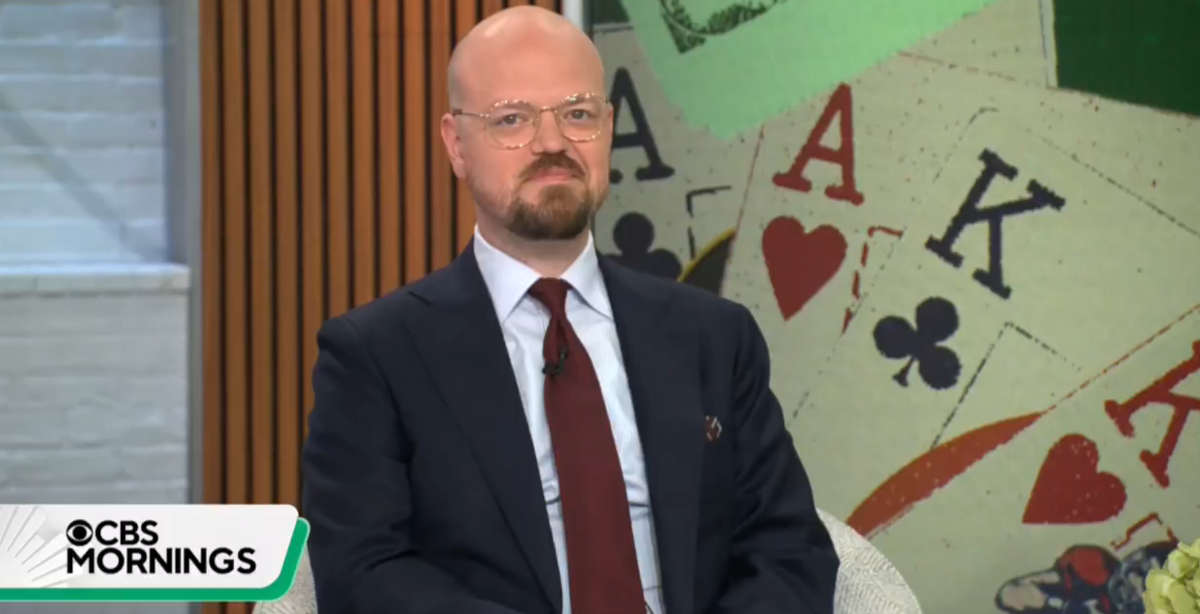
One Journalist’s Eye-Opening Descent into Online Sports Betting”It started as a straightforward assignment: Take $10,000 of The Atlantic’s money, dive headfirst into the world of online sports gambling, and report back on what it’s really like.
What McKay Coppins didn’t expect?
How quickly it would consume him.Just a few weeks in, he found himself hiding in the kitchen pantry — phone in hand, whispering bets into apps like FanDuel and DraftKings — so his own kids wouldn’t see how deeply he was falling down the rabbit hole. This isn’t some dramatic exaggeration for clicks.
It’s the raw reality Coppins shared in a recent segment, and it’s a wake-up call for anyone who thinks sports betting is just harmless fun between games.
The Allure:
Convenience Meets Addiction Before 2018, sports betting was largely confined to Vegas or shady bookies. Then the floodgates opened. Apps turned every smartphone into a portable casino.
Live betting during games. Instant deposits. Personalized promotions that feel tailor-made just for you. Coppins describes the psychological hooks perfectly:
- The dopamine rush of a last-second win (or the agony of a near-miss that makes you want to “chase” it).
- The seamless design of the apps — bright colors, easy interfaces, constant notifications.
- The way it sneaks into everyday life. No more driving to a casino. Just pull out your phone during halftime… or while making dinner… or while hiding from your family in the pantry.

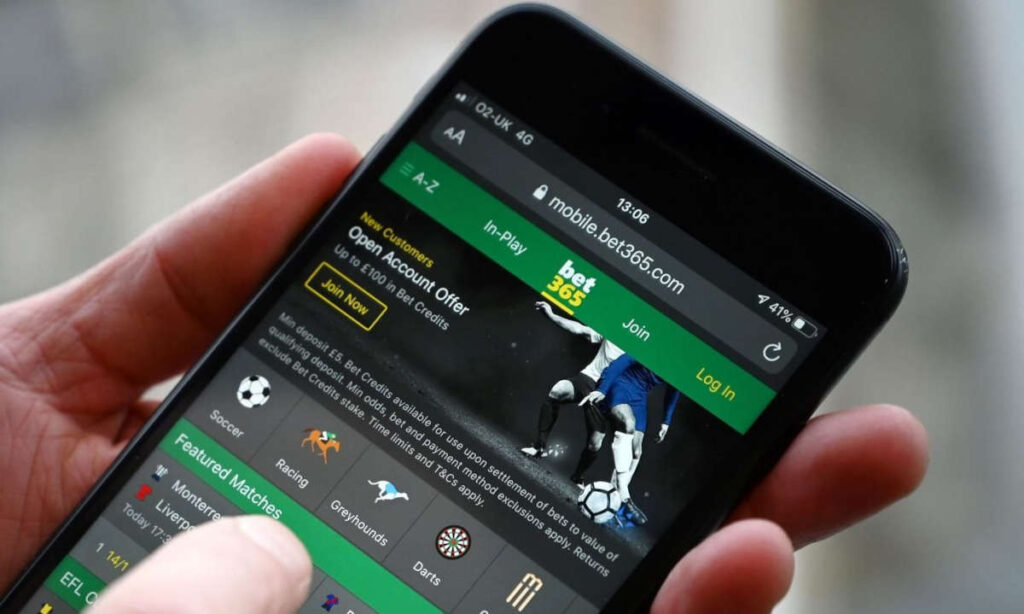
He went in as a curious journalist. He came out with far less than $10,000 — and a sobering understanding of how these platforms are engineered to keep users engaged, sometimes at the expense of their finances, relationships, and mental health.
The Bigger Picture
Coppins’ experiment highlights a massive cultural shift. Sports betting is now mainstream, advertised during family-friendly broadcasts, tied to your favorite teams, and normalized like never before. For some, it’s entertainment and occasional profit. For others — especially those prone to addictive behaviors — it’s a slippery slope that can spiral fast.
The pantry story isn’t funny. It’s telling. When someone with no prior gambling habit starts concealing their activity from their children, you know the apps have done their job a little too well.


A Personal Reflection
If you’re a sports fan who’s dipped your toe into betting (or are thinking about it), Coppins’ story is worth watching and reading in full. It doesn’t call for banning everything — but it does demand honesty about the risks.
- Set strict limits before you start.
- Never bet money you can’t afford to lose.
- Watch for the signs: betting more than planned, hiding it, chasing losses, or letting it affect your mood and family time.
The house (or in this case, the algorithm) usually wins in the long run. The real victory is knowing when to walk away.
Have you ever felt the pull of online gambling apps? Or do you know someone who’s struggled with it? Drop your thoughts in the comments — let’s talk about it honestly, without judgment.
In the meantime, I’ll stick to cheering for my teams the old-fashioned way: with snacks, no pantry required.
You can follow McKay Coppins
WATCH ENTIRE SEGMENT 👇
“It only took a few weeks before I was hiding in the kitchen pantry to put my bets in, so my kids didn’t see how much I was gambling”: @TheAtlantic gave @mckaycoppins $10,000 as part of his investigation into online sports gambling — and he came out with far less money and some… pic.twitter.com/xNWSqTzvgi
— CBS Mornings (@CBSMornings) April 7, 2026